
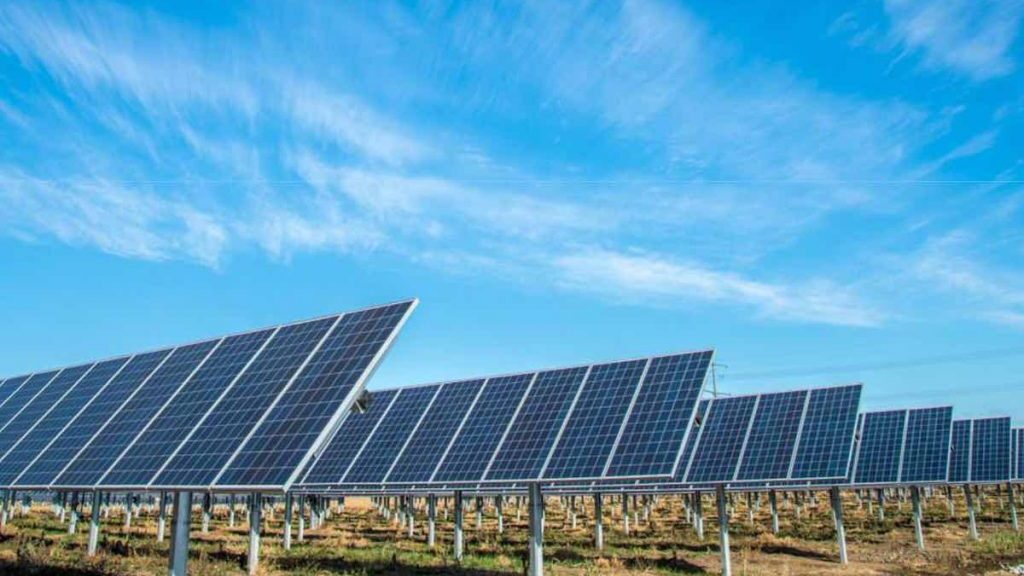
Queensland has become the focal point of Australia's energy transition debate. Public commitments to renewable energy remain ambitious, but the policy and regulatory signals underneath them are becoming less consistent.
Recent changes to Queensland's planning framework have drawn attention from across the sector. The concern is not confined to one investor or one project — it reflects a broader unease about policy stability and delivery certainty. Across the market, there is a growing gap between bragawatts — the gigawatts announced in press releases — and real watts actually being connected to the grid.
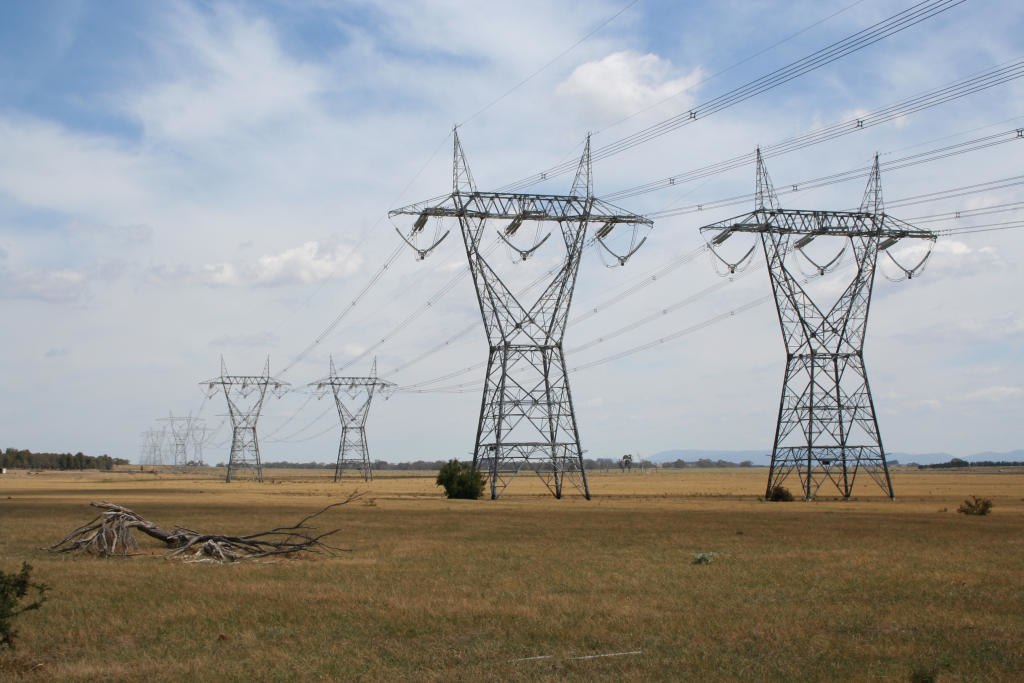
The new Queensland Energy Bill extends the operating life of coal generation and increases the role of gas in the system mix. While intended to support reliability, such changes can unsettle investors who rely on clear, durable frameworks to commit long‑term capital. Each time a target, approval process or connection pathway is rewritten, another group of projects slips into delay — technically feasible, commercially structured, but unable to proceed.
This pattern extends well beyond Queensland. The national Capacity Investment Scheme has rapidly expanded the pipeline of announced capacity, yet only a limited portion of that work has reached construction. It highlights a broader issue: the distance between ambition and execution is widening.
Policy intent alone will not accelerate delivery. Announcements are useful for signalling direction, but they cannot overcome practical constraints in supply chains, manufacturing capacity, workforce availability or transmission readiness. The physical systems that underpin the transition — steel, substations, switchgear, skilled people — move at a different pace to political commitments.
The next stage of Australia's transition will be defined less by how many megawatts are promised and more by how consistently they can be delivered, connected and dispatched. Transmission build‑out, grid integration and planning reform are now the true determinants of progress.
The developers and delivery partners best positioned for this phase will not be those with the largest pipelines, but those able to translate announcements into buildable and reliable assets through disciplined engineering and credible execution frameworks.
Australia is not short of capital. Institutional investors and infrastructure funds remain eager to deploy into clean energy, but investment follows certainty. When regulatory frameworks shift mid‑stream, when grid studies stall, or when connection pathways remain unclear, capital waits.
The result is a market with strong ambition and available funding, but limited throughput.
If jurisdictions such as Queensland want to maintain credibility with investors and delivery partners, the path forward is straightforward: establish stable rules, accelerate grid delivery, and reward execution rather than announcements.
Bragawatts make headlines, but real watts sustain the transition. Australia's challenge is no longer one of intent, but of implementation.
The next phase will belong to those who can bridge that confidence gap — and deliver the watts that count.